Best San Diego Home Builder Services for Custom Floor Plans
Transform Your Space: Top Home Remodeling Advice From Expert Builders
Home remodeling can be a complex undertaking, often laden with challenges. Expert builders emphasize the weight of determining clear targets and a sound financial plan. Selecting the right experts is indispensable for executing a vision in practice. In addition, design preferences should place emphasis on functionality and flow. With these essential elements in mind, one can work through the remodeling process more smoothly. But what concrete techniques can guarantee a victorious metamorphosis?
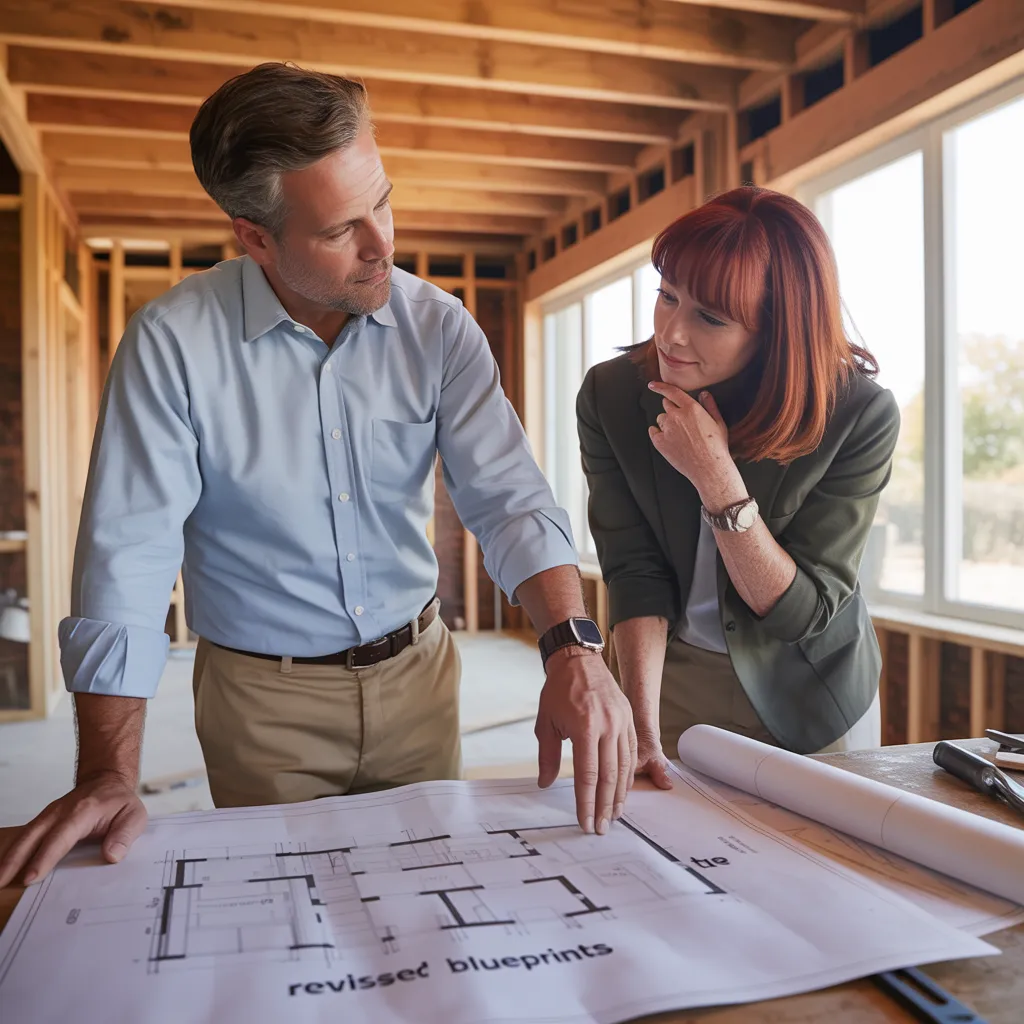
Define Your Goals and Priorities
Defining goals and priorities is essential in the home remodeling process. This initial step establishes a distinct direction for the project, directing all following decisions. Homeowners must evaluate their requirements, taking into account factors such as functionality, aesthetics, and long-term value. Determining particular goals, such as improving room capacity for social occasions or improving energy efficiency, allows for a focused approach.
Prioritization is equally critical. It helps distinguish between must-have features and those that can be adjusted or postponed. By organizing preferences based on significance, homeowners can guarantee that their remodeling efforts align with their overall lifestyle and aspirations.
Furthermore, well-defined objectives can assist with strong dialogue with contractors and designers, ensuring that all parties are on the same page. Ultimately, careful consideration at this stage fosters a smoother remodeling experience, minimizing potential setbacks and facilitating a successful transformation of the living space.
Establish a Achievable Spending Limit
Setting a practical financial plan is a critical component of any home remodeling project. It functions as a foundation for decision-making and helps prevent exceeding costs. Homeowners should start by assessing their financial situation, including funds and possible funding options. This assessment allows them to create a budget that aligns with their goals and preferences.

Next, it is significant to formulate a comprehensive cost outline of expenses, taking into account materials, labor, permits, and surprise costs. Specialists suggest dedicating an extra 10-20% of the budget for buffer reserves, because unforeseen obstacles can occur during refurbishment.
Additionally, homeowners should analyze typical expenses for their particular undertakings to validate their budget is in line with market rates. By keeping clarity and adaptability within the budget, property owners can competently handle their remodeling projects while reaching their desired outcomes. Setting up a realistic budget ultimately fosters a more seamless renovation journey and enhances overall satisfaction.
Pick the Correct Professionals
Picking the right professionals is essential for the success of any home remodeling project. Homeowners should begin by studying local firms, architects, and designers to find those with reputable reputations and relevant experience. Looking at reviews, portfolios, and references can provide insight into their work caliber and reliability.
It's also important to guarantee that selected professionals are properly licensed and insured, which shields homeowners from potential legal issues. Engaging in thorough interviews will help evaluate their communication style and capacity to correspond with the homeowner's vision.
Defining clear expectations with respect to timelines, budgets, and deliverables is critical to sidestep disagreements. Proprietors should seek professionals who are not only skilled but also demonstrate a obligation to joint effort and transparency. Ultimately, the optimal group will not only fulfill the vision effectively but also boost the renovation undertaking, promoting confidence throughout the endeavor.
Organize for Capability and Flow
In home renovation, planning for movement and layout is crucial for creating a harmonious living space. Efficient space usage maximizes every square foot, while guaranteeing easy navigation enhances daily activities. Together, these elements create a well-organized and inviting environment.
Optimize Room Usage
When commencing a home remodeling project, prioritizing space efficiency can substantially enhance both functionality and flow. Professional builders emphasize the importance of evaluating each area to identify its primary purpose. This involves embracing versatile furniture, such as collapsible tables or built-in storage, which can significantly optimize limited spaces. Furthermore, spacious layouts can create a smooth shift between rooms, enabling for a more roomy feel. Strategic positioning of furniture can also enhance the general layout, ensuring that each room fulfills its planned function without overcrowding. By carefully organizing the flow of movement and access, homeowners can create a balanced environment that optimizes the use of space while maintaining a pleasing aesthetic. In the end, thoughtful design can transform any area into a more functional living space.
Establish Effortless Navigation
Smart flow within a home is vital for improving everyday functionality and movement. When starting a renovation project, it is important to weigh the layout and ease of use of spaces. Open floor plans often promote fluid passage, permitting occupants to navigate between rooms with comfort. Thoughtful positioning of doorways, furniture, and fixtures can further improve circulation, reducing obstacles. Designers recommend sustaining clear pathways, ideally at least 36 inches wide, to guarantee comfortable movement for all users, including those with mobility challenges. In addition, deliberate zoning of spaces—such as separating living areas from workspaces—can upgrade functionality. By emphasizing ease of movement, homeowners can create a serene environment that supports daily activities and instills a sense of order throughout the space.
Maximize Space With Smart Planning
Effective design plays a essential role in maximizing space within a property, as it allows for both utility and visual appeal to coexist effortlessly. Expert builders recommend utilizing open-concept arrangements to create a sense of spaciousness, reducing redundant barriers between rooms. Adaptable pieces, such as a sofa bed or a storage ottoman, can also help to enhance limited areas, providing utility without sacrificing style.
Incorporating tall storage options is another effective strategy, as shelves and cabinets that extend to the ceiling draw the eye upward, enhancing the perception of height. Additionally, strategic use of mirrors can bounce light and create an illusion of depth, causing spaces to look bigger. Natural light is essential; large windows or skylights can brighten spaces while improving the overall atmosphere. Thoughtful layout and design considerations ultimately convert tight spaces into inviting, functional environments that cater to modern living needs.|Using elevated storage options represents another effective strategy, as shelves and cabinets that extend upward pull your focus up, improving the sense of height. Furthermore, deliberate mirror placement can bounce light around and generate an illusion of space, causing spaces to look bigger. Daylight is important; expansive windows or skylights can illuminate interiors while enhancing the ambient quality. Intentional arrangement and design decisions ultimately reshape confined areas into welcoming, practical areas that support contemporary living standards.|Implementing vertical storage solutions serves as another valuable strategy, as shelves and cabinets that climb to the ceiling lift your gaze, enhancing the sense of height. In addition, strategic mirror placement can disperse light and establish a sense of spaciousness, expanding how spaces feel. Ambient light proves critical; generous windows or roof apertures can fill spaces with brightness while enriching the overall feel. Deliberate design and layout planning ultimately reshape constricted areas into delightful, operational environments that fulfill contemporary needs.|Adopting vertical storage options constitutes another efficient approach, as cabinets and shelving that ascend upward direct attention upward, maximizing the sense of height. Concurrently, deliberate mirror application can diffuse illumination and manufacture spatial illusion, amplifying how expansive areas appear. Ambient light is paramount; substantial windows or skylights can infuse spaces with light while enriching the spatial atmosphere. Strategic layout and design approaches fundamentally reimagine restricted areas into appealing, functional settings that serve modern dwelling needs.
Pick Top-Tier Materials and Finishes
Choosing superior materials and finishes is vital in home renovation, as it directly impacts both durability and aesthetic appeal. Expert builders propose selecting selections that not only enhance the visual appeal of the space but also stand up to the test of time. For instance, hardwood flooring offers longevity and comfort, while superior countertops elevate kitchen aesthetic value and functionality.
Also, elements such as paint and fixtures ought to be chosen thoughtfully. Selecting paint with superior durability can avert deterioration, while high-end fixtures can supply a polished appearance that suits the overall design. In addition, it is suggested to research sustainable choices that advance a healthier living environment. Committing to quality materials and finishes pays dividends, as it can raise property value and cut maintenance expenses over time. By focusing on these factors, homeowners can craft a lasting and beautiful space that meets their needs.
Skip Neglecting Illumination
Lighting serves as a crucial element in home remodeling, often influencing both aesthetics and functionality. Employing multiple light sources can enhance the ambiance of a space, while increasing natural illumination can make rooms feel more open and welcoming. These elements are vital for creating a well-designed environment that meets both practical and emotional needs.
Layered Light Techniques
While many homeowners focus on aesthetics and functionality during a remodel, they often miss the crucial part that multi-level illumination plays in creating a welcoming atmosphere. Professional builders advise including three kinds of lighting: ambient, task, and accent. Ambient lighting offers overall illumination, establishing a base layer for any room. Specific task lighting, like under-cabinet lights or reading lamps, gives concentrated illumination for distinct activities. Architectural features or artwork are accentuated by accent lighting, which adds depth and allure. Homeowners can create a balanced and adaptable atmosphere by combining these lighting methods. Furthermore, adjustable fixtures, dimmers, and smart lighting make it easy to customize the environment, enabling it to shift with various moods and events. Such a careful lighting strategy improves both the usability and atmosphere of the space.
Natural Light Enhancement
Natural daylight is crucial in improving the overall atmosphere of a space, as it not only brightens rooms but also supports the health and well-being of those inside. Professional builders encourage maximizing natural light through strategic window placement, ensuring rooms receive plenty sunlight from morning to evening. Installing larger windows or glass doors can establish a natural connection with the outdoors, further enhancing a sense of openness. Additionally, employing reflective surfaces, like mirrors and light-colored walls, can strengthen the impact of natural light. Take into account the orientation of the house as well; south-facing windows generally get more sunlight. Lastly, keeping unblocked views outside will improve the natural light experience, making rooms feel more pleasant and vibrant.
Stay Flexible and Flexible During the Process
The home remodeling process often presents unexpected obstacles, demanding homeowners to remain adaptable and versatile. Modifications can emerge due to budget constraints, unforeseen building problems, or postponements in supply arrival. Such situations can be frustrating, but maintaining a positive mindset allows for innovative approaches and alternative approaches.
Homeowners should embrace the possibility of revisiting design plans or adjusting timelines. Effective communication with contractors is essential; sharing concerns can lead to joint solutions. Additionally, being receptive to recommendations from builders and designers can enhance the overall outcome of the project.
Flexibility also involves being prepared to give ground on certain discussion aspects, which may lead to discovering unexpected benefits. Ultimately, responding to changes can generate a more fulfilling and accomplished remodeling experience, modifying not just the space but also the homeowner's understanding on the process itself.
Generally Asked Questions
How Long Should You Expect for a Typical Home Remodeling Project?
A typical home renovation undertaking can take anywhere from a few weeks to several months, depending on the scope of work, size of the home, and availability of contractors. Planning and unexpected delays may extend timelines.
Which Licenses Are Necessary for Home Improvements?
Home renovation project typically requires permits for structural changes, electrical work, plumbing alterations, and sometimes for cosmetic updates. Particular requirements differ by location, so consulting local building authorities is essential for maintaining compliance with codes.
In What Ways Can I Maximize My Home's Resale Value with Home Renovation?
To boost a home's selling price through renovation, one should concentrate on upgraded kitchens, bathroom renovations, efficiency improvements, and curb appeal upgrades, as these projects typically produce significant returns in the real estate market.
What Are Common Mistakes to Prevent During Renovation?
Standard issues when remodeling feature underestimating budgets, omitting adequate planning, overlooking permits, selecting temporary aesthetics over permanent designs, and poor communication with contractors. Each misstep can lead to expensive interruptions and unsatisfactory outcomes.
In What Ways Should I Remain Inside My Budget During Unforeseen Costs?
To stay within budget during unexpected costs, one should prioritize a emergency reserve, precisely document expenses, alter project scope if necessary, communicate openly with contractors, and explore alternative materials to lessen financial strain.